EDA: What does it mean
EDA, also known as Event Driven architecture, is gaining significant attention in the industry. The question arises: “what exactly is an event driven architecture?”.
When conducting an internet search, various definitions emerge, all of which share the following key aspects:
- It’s an architectural style that provides a specific approach to building and architecting systems or business solutions.
- It utilizes events to trigger communication between different components within a system. An event is something that informs others that a specific occurrence has taken place.
- It consists of three characteristic components:
- Something that creates events.
- Something that makes these events available to others.
- Something that has an interest in these events.
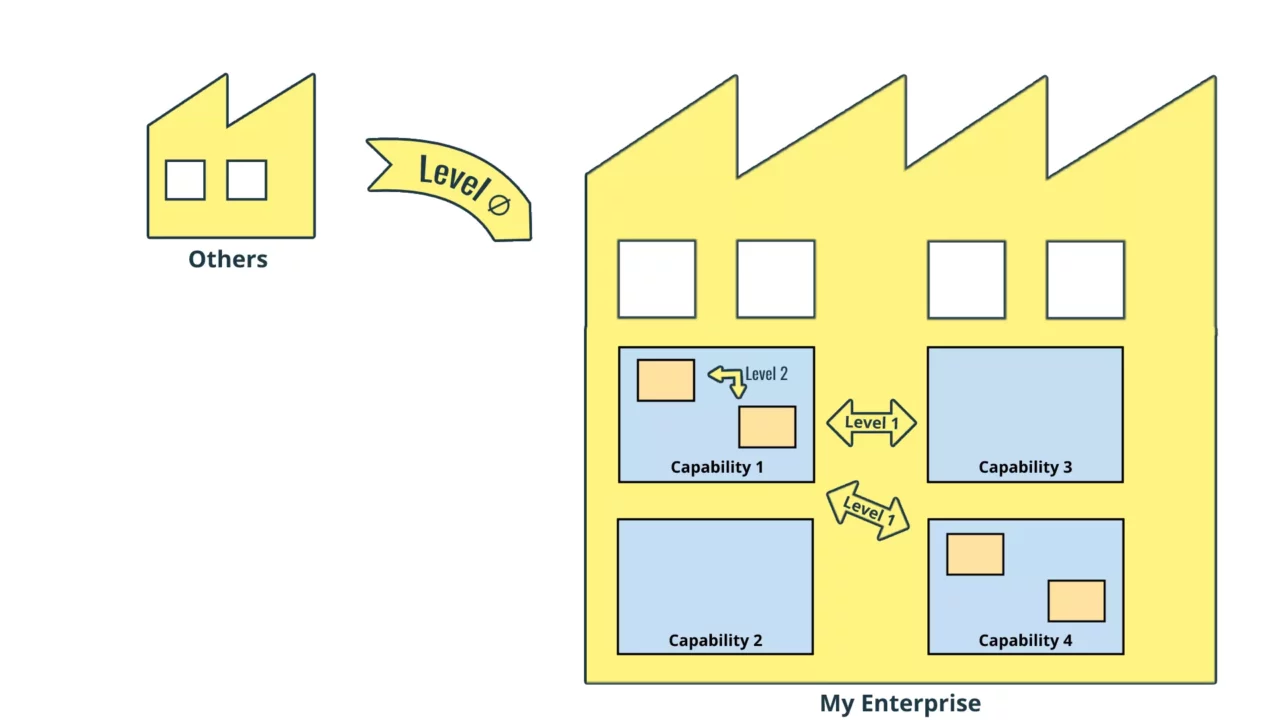
However, using this definition alone can lead to the identification of many technical solutions as EDA. For example, the Java GUI framework SWING can be considered an EDA. This presents a challenge because, in the current context, we are not referring to these types of systems when discussing EDA. Therefore, the definition alone is insufficient. We need additional elements to clearly pinpoint the specific systems we are referring to. This is where positioning comes into play.