In the dynamic world of IT, there inevitably comes a tipping point where ad-hoc solutions no longer suffice. Such solutions typically arise from ad-hoc architectures. However, as businesses grow and technology evolves, the need for a structured approach becomes undeniable. Eventually, ad-hoc architecture loses its effectiveness. Ideally, you’ll notice the signs early, before things become chaotic, compelling a shift from ad-hoc initiatives to a more standardized architectural method.
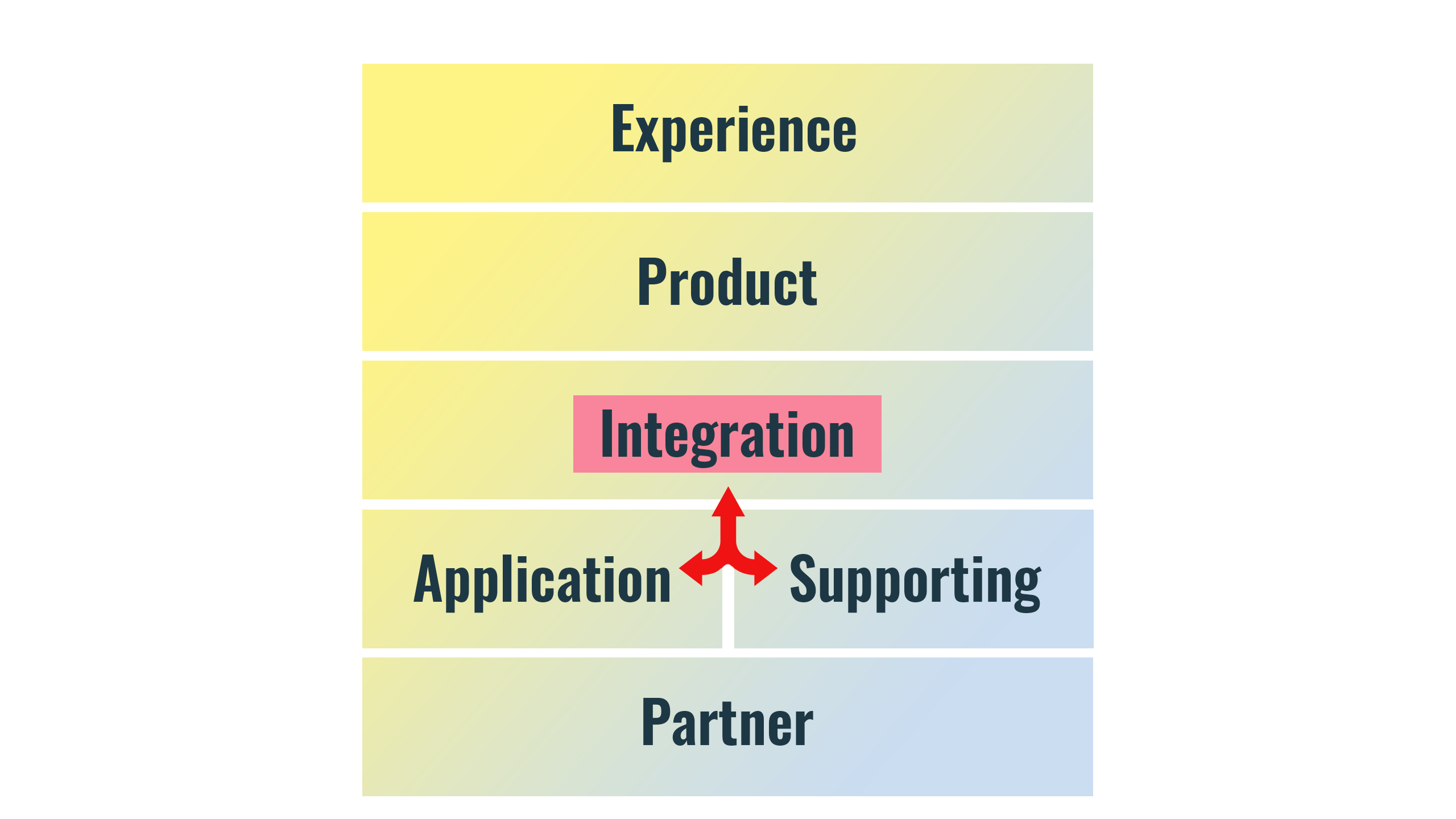
However, this is also the point where some people tend to shy away. Why? Because it can quickly become vague and lead to hypothetical debates. That’s exactly what we want to avoid. Of course, we understand that in large multinationals, you might require these complex and strict regulations. But for small midsize companies, IT reference architectures can be quite simple. That’s exactly what we’re aiming to do here. We have intentionally kept this reference architecture simple, introducing a practical and user-friendly framework. It ensures effectiveness across all layers and for all stakeholders within the organization. Therefore, it must be easily accessible and straightforward to adapt.
The main goal was to create an architectural blueprint that ensures every technological initiative aligns its design and implementation across various IT projects. This is achieved by following an iterative & incremental approach based on initiatives that pop up within your organization. At its core, an IT reference architecture serves as a compass, guiding the integration of new technologies, systems, and practices into a manageable IT landscape.
But foremost, without becoming overly theoretical or “fluffy.”